5 Creative Data Platforms for Enterprise Marketing Teams in 2026
24th Sep '26
Anyleads Team
6 minutes read
5 Creative Data Platforms for Enterprise Marketing Teams in 2026
Creative data helps enterprise teams examine how elements such as branding, pacing, and messaging relate to advertising performance. The useful question isn't whether a platform can score an ad, but whether its findings guide better briefs, tests, and media decisions.
I compared five platforms with different roles. VidMob is the strongest fit when the priority is connecting creative analytics with enterprise workflows; the others address governance, production, pre-launch testing, or attention prediction.
Creative attributes, performance context, testable ideas. Use creative signals to guide tests, not promise results, and read them alongside the rest of your full-funnel testing rather than in isolation.
Key Takeaways
VidMob is my top pick for enterprise creative analytics and data-informed media workflows.
CreativeX suits global governance across brands, markets, and agencies.
Smartly.io combines production, activation, and analysis for teams seeking a unified workflow.
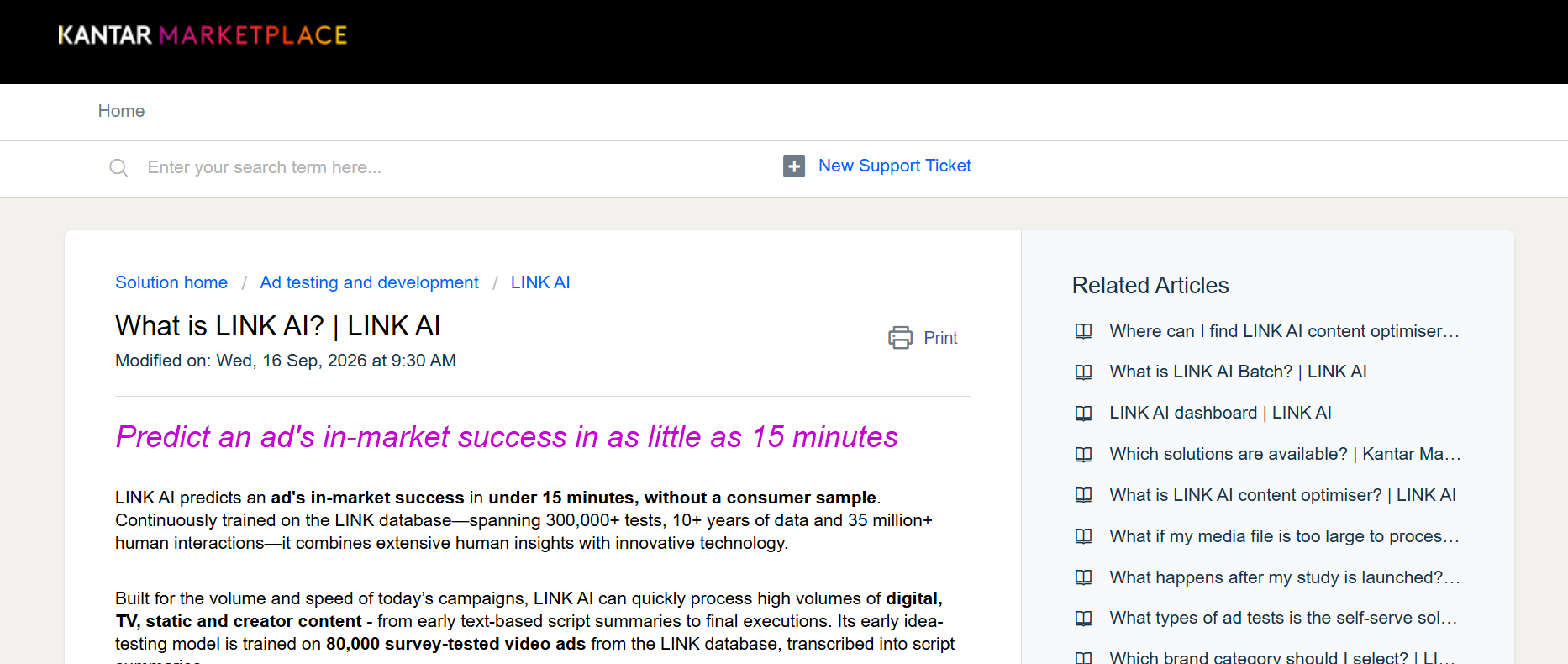
Kantar Link AI focuses on pre-launch testing and predictive evaluation.
Neurons supports attention-led iteration before production or media spend.
How I tested
My assessment focuses on product fit based on published capabilities and documentation rather than hands-on testing. I weighted integration options and everyday operational usefulness most heavily.
Creative tagging and performance linkage: identifying specific attributes and examining their relationship to results.
Governance: applying brand rules, platform best practices, and relevant benchmarks.
Activation readiness: access to data through exports, APIs, and documented connections to media and analytics systems.
Speed to insight: distinguishing pre-launch predictions from analysis of live campaigns.
Enterprise fit: reporting detail and procurement requirements.
Pricing transparency: clarity around scope, usage, and contract terms. Confirm current capabilities and pricing directly before procurement.
AI tools to find leads
Send emails at scale
Access to 15M+ companies
Access to 700M+ contacts
Data enrichment
AI SEO writer
Public professional emails
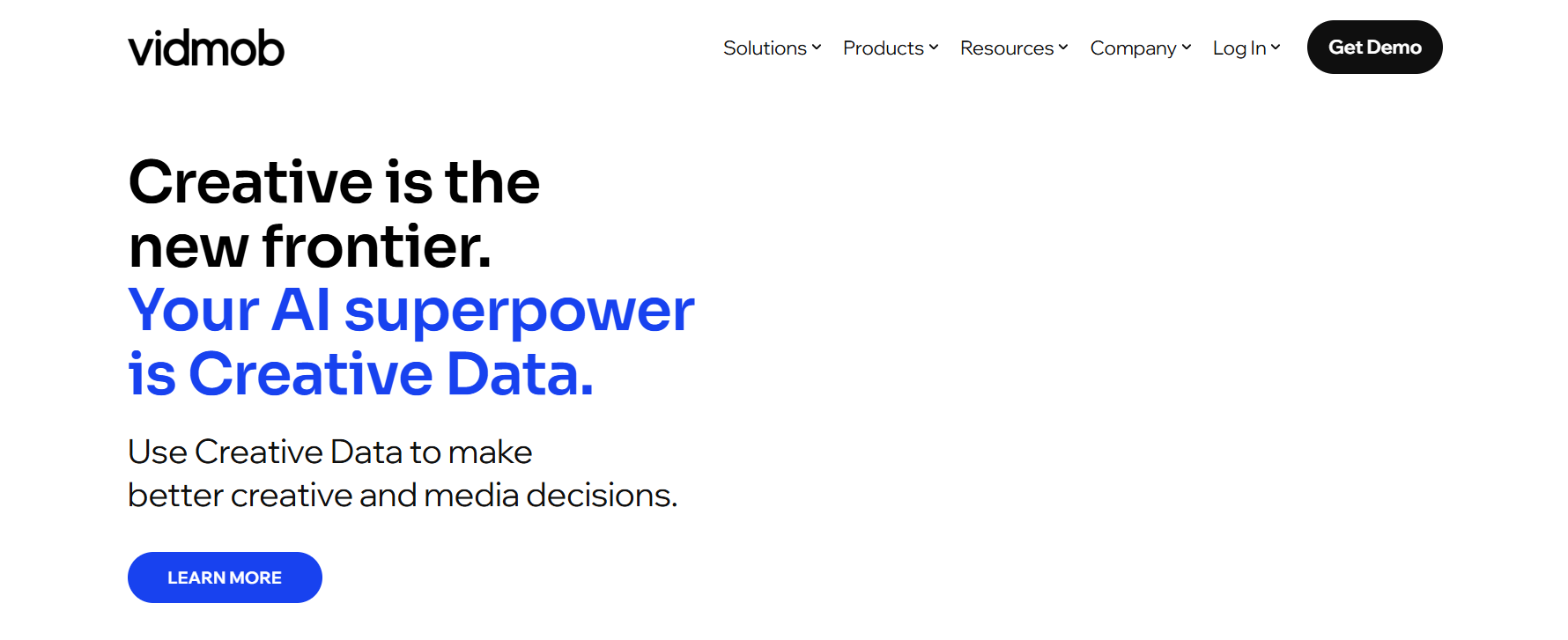
1. VidMob
VidMob pros
AI identifies creative attributes such as branding, pacing, talent, and messaging.
Creative Analytics connects attributes with performance metrics to support data-informed decisions.
Scoring applies platform best practices as a baseline and custom brand rules on top, which Vidmob calls golden rules.
Exports and an API make creative data available to dashboards, BI tools, measurement systems, and media buying platforms.
Structured outputs support collaboration between creative, media, and analytics teams.
VidMob cons
Pricing requires a custom quote.
Early alignment between creative, media, and data teams helps teams get full value.
My experience with VidMob
What stands out to me is the combination of attribute-level analysis and portable data. I especially like the rule-level detail behind scores, which gives teams something concrete to discuss rather than a number alone. Exports and API access extend that usefulness beyond creative reviews into enterprise analysis. Vidmob defines creative data as the pairing of identified creative decisions, such as branding, pacing, talent and messaging, with performance metrics. That combination makes VidMob my top pick for teams that want insights to inform both creative briefs and media decisions, while validating findings through campaign tests.
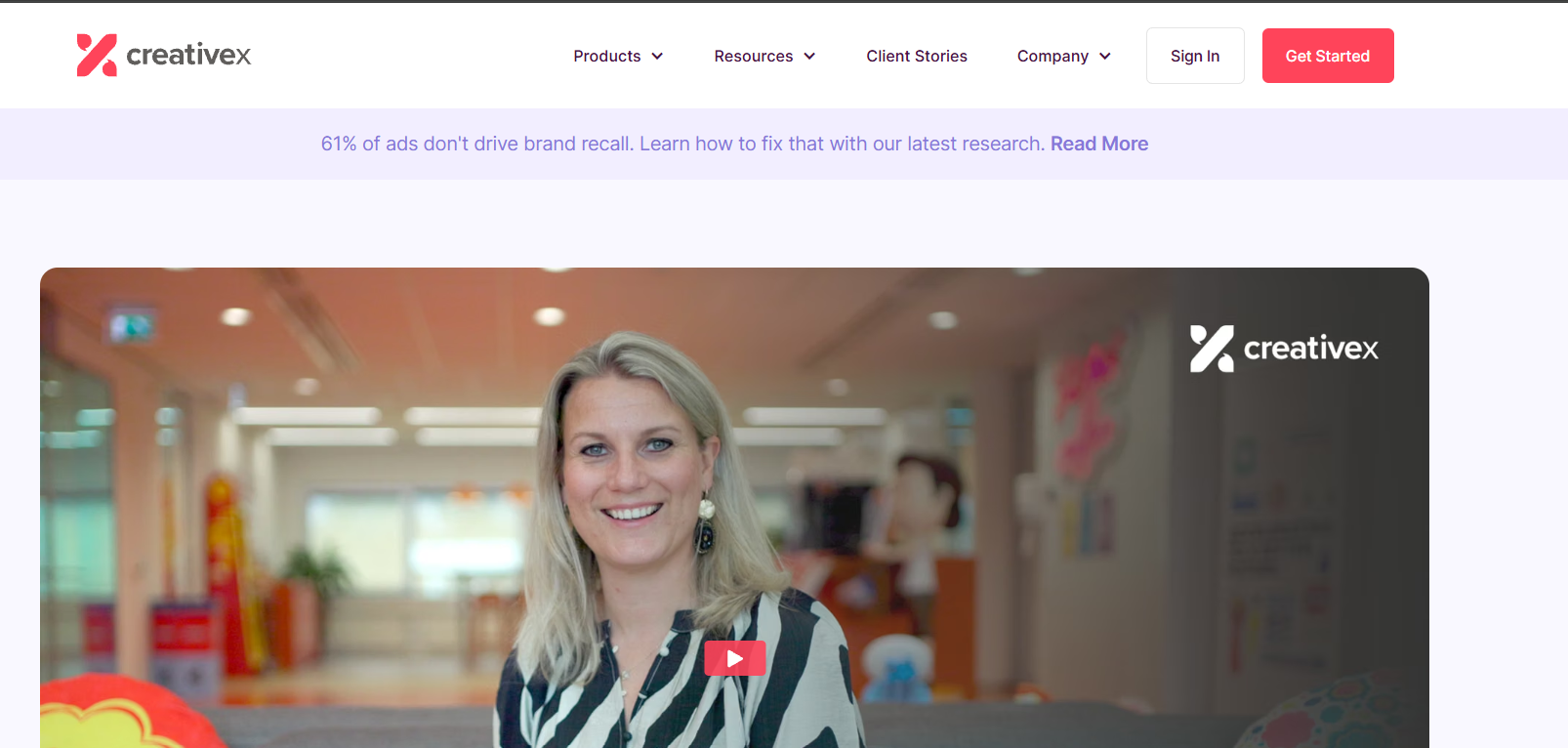
2. CreativeX
CreativeX pros
Applies brand-defined guidelines across markets and agencies.
Custom reporting covers Guidelines, Scores, and Lifecycle.
Industry and category benchmarks add context to quality reviews.
CreativeX cons
Less focused on direct media activation or programmatic optimization.
Performance linkage centers on quality and fit metrics rather than ad-platform KPIs.
My experience with CreativeX
I'd shortlist CreativeX when inconsistent execution across brands and regions is the main problem. Brand-defined rules and shared reports give local teams a common reference point, while benchmarks provide context for quality discussions. Its role here is governance; I wouldn't treat it as a replacement for an in-flight media decisioning tool.
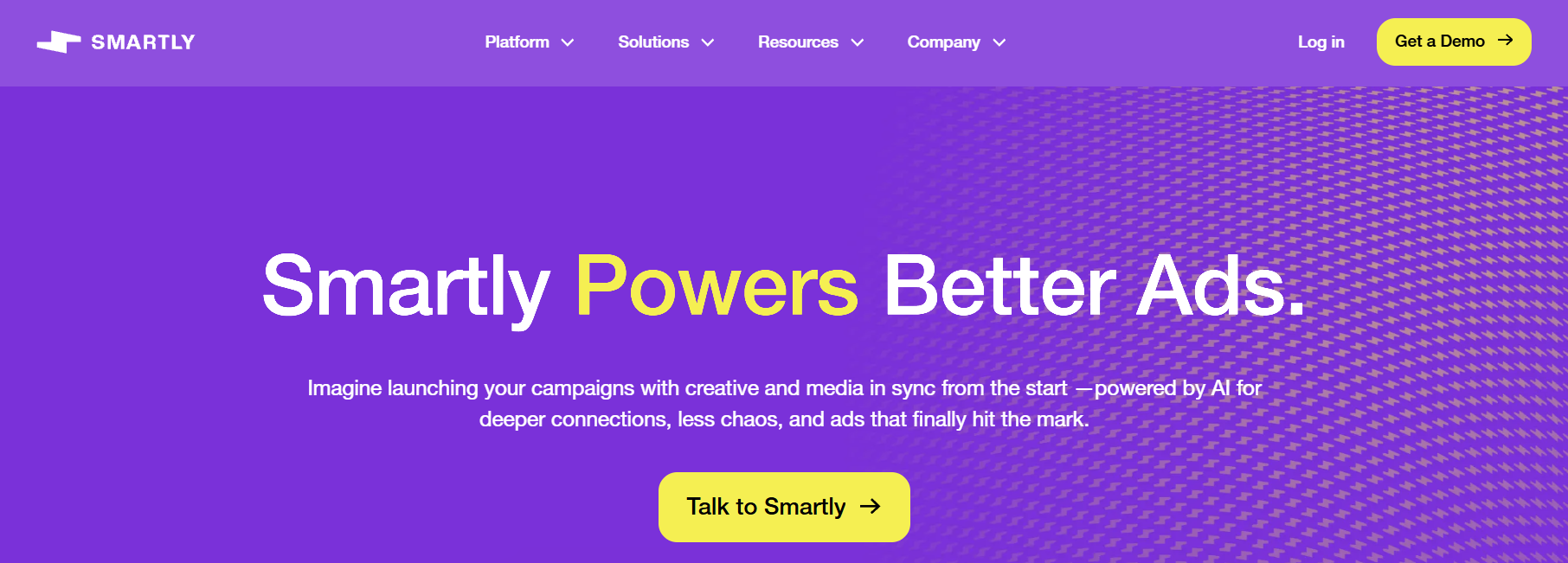
3. Smartly.io
Smartly.io pros
Combines automated production, media activation, and creative analysis.
Creative Insights supports post-launch analysis across channels.
Smartly.io cons
Consolidating production and activation can increase switching costs.
Less flexible if you only need the creative intelligence layer.
My experience with Smartly.io
I see Smartly.io as a practical option when production and media teams want to work in one system. Pairing pre-launch assessment with post-launch analysis keeps both stages within the same workflow. The trade-off is flexibility: teams that keep media buying elsewhere may get less benefit from the broader platform.
Reports brand, creative, and platform-specific behavioral scores.
Offers self-serve and serviced options.
Kantar Link AI cons
Focused on pre-launch testing rather than in-platform activation.
My experience with Kantar Link AI
I'd consider Kantar Link AI when teams need to evaluate creative before committing media spend. Its self-serve and serviced options suit different levels of research support, but I would treat predicted scores as inputs to testing, not proof of future sales.
5. Neurons
Neurons pros
Predicts visual attention before launch.
Highlights areas such as branding, product, headline, body text, and CTA.
Visual Recommendations produces alternative mockups for review.
Neurons cons
Predicted attention is not verified in-market performance.
Limited direct ad-platform activation.
My experience with Neurons
I like the practical review focus: designers can discuss whether a product, headline, or CTA is likely to attract attention. Alternative mockups make those discussions more concrete, but I'd still validate the resulting changes against campaign performance.
Conclusion
VidMob is my top pick for enterprise teams that want creative intelligence to inform both creative development and media analysis. Attribute-level insights, rule-based scoring, and portable data make it a strong fit for organizations connecting creative decisions with measurable advertising outcomes.
CreativeX is a runner-up for global governance, while Smartly.io suits integrated production and activation. Kantar Link AI fits pre-launch evaluation, and Neurons supports attention-led iteration. These are different jobs, so choose around the workflow that needs improvement.
Before committing, pilot a representative asset set and one clearly defined workflow. Check data access, interpretation, and whether the findings lead to a useful next test.
AI tools to find leads
Send emails at scale
Access to 15M+ companies
Access to 700M+ contacts
Data enrichment
AI SEO writer
Public professional emails
FAQ
These distinctions help set realistic expectations during evaluation.
What counts as creative data versus DCO data?
Creative data describes ad attributes and their relationship to results. Dynamic creative optimization (DCO) data also tracks variations and delivery, helping teams understand which combinations reached which audiences.
Can these outputs feed BI or marketing mix modeling?
APIs and exports can support analysis, but confirm field definitions, granularity, and permissions. Suitability for marketing mix modeling requires separate validation with your measurement team.
Do these platforms replace brand guidelines?
No. Governance features apply the guidelines teams define. Predictive scores don't establish what your brand should stand for, and not every creative choice can be measured reliably.
Which platforms suit pre-launch versus in-flight analysis?
Kantar Link AI and Neurons emphasize pre-launch predictions. VidMob is my pick when the priority is analyzing creative attributes alongside campaign performance.
 NEW
Trusthref.com: AI Agents That Grow Your Business In Autopilot
NEW
NEW
Trusthref.com: AI Agents That Grow Your Business In Autopilot
NEW



 Send emails at scale


 AI tools to find & convert leads.